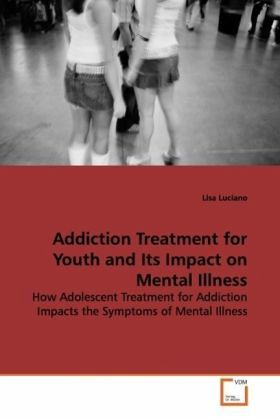
Addiction Treatment for Youth and Its Impact on Mental Illness
How Adolescent Treatment for Addiction Impacts the Symptoms of Mental Illness
Versandkostenfrei!
Versandfertig in 6-10 Tagen
39,99 €
inkl. MwSt.

PAYBACK Punkte
20 °P sammeln!

Addiction and Mental IllnessThis qualitative case study examined the impact thattreatment for substance dependency had on symptoms ofmental illness in adolescents. Ten graduates of theAlberta Adolescent Recovery Center (AARC) in Calgary,Alberta, Canada were interviewed. The most commonsymptoms reported by participants were depression andanxiety. The participants described how symptoms wereimpacted at significant milestones in treatment suchas returning to their family home or returning toschool. They also described what was helpful aboutthe nature of their treatment plans and what was mostdiff...
Addiction and Mental Illness
This qualitative case study examined the impact that
treatment for substance dependency had on symptoms of
mental illness in adolescents. Ten graduates of the
Alberta Adolescent Recovery Center (AARC) in Calgary,
Alberta, Canada were interviewed. The most common
symptoms reported by participants were depression and
anxiety. The participants described how symptoms were
impacted at significant milestones in treatment such
as returning to their family home or returning to
school. They also described what was helpful about
the nature of their treatment plans and what was most
difficult for them.
While the structure of the treatment program remained
the same for all participants, variations in
treatment plans were evident as participants with
psychotic disorders described the psychiatric care
that was incorporated into their treatment. The data
suggested adolescents with comorbid disorders require
a more integrated treatment approach that includes
both psychiatric intervention and treatment for
substance dependency.
This qualitative case study examined the impact that
treatment for substance dependency had on symptoms of
mental illness in adolescents. Ten graduates of the
Alberta Adolescent Recovery Center (AARC) in Calgary,
Alberta, Canada were interviewed. The most common
symptoms reported by participants were depression and
anxiety. The participants described how symptoms were
impacted at significant milestones in treatment such
as returning to their family home or returning to
school. They also described what was helpful about
the nature of their treatment plans and what was most
difficult for them.
While the structure of the treatment program remained
the same for all participants, variations in
treatment plans were evident as participants with
psychotic disorders described the psychiatric care
that was incorporated into their treatment. The data
suggested adolescents with comorbid disorders require
a more integrated treatment approach that includes
both psychiatric intervention and treatment for
substance dependency.
Andere Kunden interessierten sich für