
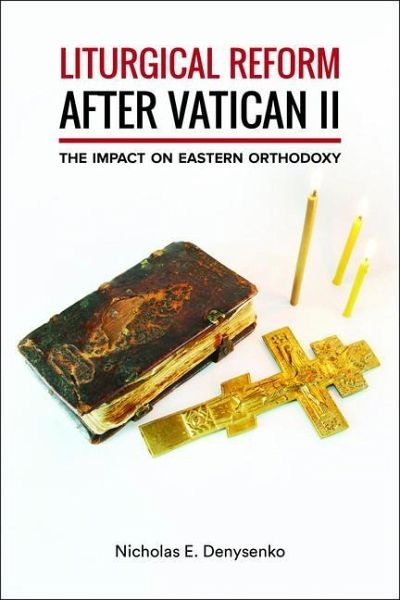
Liturgical Reform After Vatican II
The Impact on Eastern Orthodoxy

PAYBACK Punkte
22 °P sammeln!

This study examines Orthodox liturgical reform after Vatican II through the lens of Catholic-Orthodox ecumenical dialogue. Examining the initial pillars of liturgical reform, the study presents the history of movements for liturgical reform through four models: the liturgical reforms of Alexander Schmemann; the alternative liturgical center in the Russian Orthodox Church Outside of Russia (ROCOR); the symposia on liturgical rebirth authorized by the Church of Greece; and the renewed liturgy of New Skete Monastery, and concludes with suggestions for liturgical reform that meet the challenges of...
This study examines Orthodox liturgical reform after Vatican II through the lens of Catholic-Orthodox ecumenical dialogue. Examining the initial pillars of liturgical reform, the study presents the history of movements for liturgical reform through four models: the liturgical reforms of Alexander Schmemann; the alternative liturgical center in the Russian Orthodox Church Outside of Russia (ROCOR); the symposia on liturgical rebirth authorized by the Church of Greece; and the renewed liturgy of New Skete Monastery, and concludes with suggestions for liturgical reform that meet the challenges of postmodernity and ecumenical fidelity.
Andere Kunden interessierten sich für