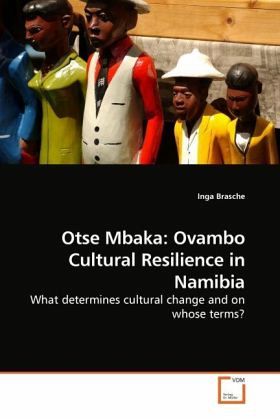
Otse Mbaka: Ovambo Cultural Resilience in Namibia
What determines cultural change and on whose terms?
Versandkostenfrei!
Versandfertig in 6-10 Tagen
79,00 €
inkl. MwSt.

PAYBACK Punkte
0 °P sammeln!

Culture changes at a dizzying pace. To investigatehow cultural change takes place, it is important toaddress issues of agency in the process and look atboth historical and contemporary agents of change todetermine who and what impacts cultural dynamism, andthe implications of this for a newly independentcountry like Namibia. Traditionally, Ovambo peoplehave felt excluded from decisions regarding culturalchange, which has resulted in a sense of cultural loss - of practices, activities, traditions andcustoms. Contemporary Ovamboland, however, representsa dynamic cultural mélange of traditional ...
Culture changes at a dizzying pace. To investigate
how cultural change takes place, it is important to
address issues of agency in the process and look at
both historical and contemporary agents of change to
determine who and what impacts cultural dynamism, and
the implications of this for a newly independent
country like Namibia. Traditionally, Ovambo people
have felt excluded from decisions regarding cultural
change, which has resulted in a sense of cultural loss - of practices, activities, traditions and
customs. Contemporary Ovamboland, however, represents
a dynamic cultural mélange of traditional and modern
life co-existing. By investigating the cultural
shortfall in traditional development theory and
viewing culture as an important aspect of
development, cultural resilience becomes clearer, and
cultural futures are determined more democratically.
Using case studies and interviews and presenting the
differing agendas of international engagement in
development work and cultural projects, this book
highlights the complexities of development,
particularly where capital is involved, reflecting
the wider issue of cultural preservation versus
cultural change.
how cultural change takes place, it is important to
address issues of agency in the process and look at
both historical and contemporary agents of change to
determine who and what impacts cultural dynamism, and
the implications of this for a newly independent
country like Namibia. Traditionally, Ovambo people
have felt excluded from decisions regarding cultural
change, which has resulted in a sense of cultural loss - of practices, activities, traditions and
customs. Contemporary Ovamboland, however, represents
a dynamic cultural mélange of traditional and modern
life co-existing. By investigating the cultural
shortfall in traditional development theory and
viewing culture as an important aspect of
development, cultural resilience becomes clearer, and
cultural futures are determined more democratically.
Using case studies and interviews and presenting the
differing agendas of international engagement in
development work and cultural projects, this book
highlights the complexities of development,
particularly where capital is involved, reflecting
the wider issue of cultural preservation versus
cultural change.
Andere Kunden interessierten sich für