
Andere Kunden interessierten sich auch für
 A Companion to Music in Sixteenth-Century Venice314,99 €
 Managing Emotions in the Middle Ages162,99 €
") An Invisible Thread: Heresy, Mass Conversions, and the Inquisition in the Kingdom of Castile (1449-1559)130,99 €
An Invisible Thread: Heresy, Mass Conversions, and the Inquisition in the Kingdom of Castile (1449-1559)130,99 € Defining and Perceiving Feelings in the Late Middle Ages155,99 €
") Force of Words: A Cultural History of Christianity and Politics in Medieval Iceland (11th- 13th Centuries)179,99 €
Force of Words: A Cultural History of Christianity and Politics in Medieval Iceland (11th- 13th Centuries)179,99 € Art and Worship in the Insular World209,99 €
 Indispensable Immigrants150,99 €





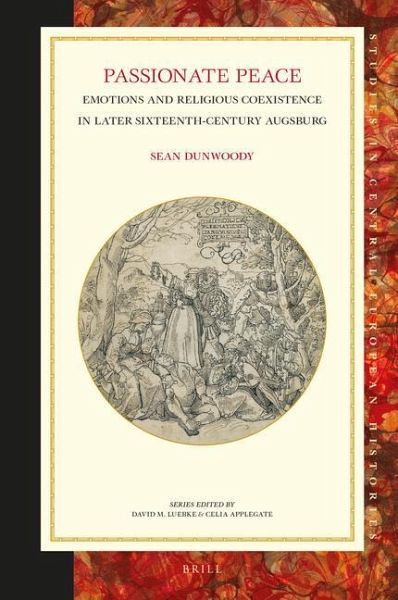
By examining the emotional practices central to political, social, and religious life in late sixteenth-century Augsburg, this book offers a new framework for analyzing religious coexistence in the generations following the Reformation.
Hinweis: Dieser Artikel kann nur an eine deutsche Lieferadresse ausgeliefert werden.
Hinweis: Dieser Artikel kann nur an eine deutsche Lieferadresse ausgeliefert werden.