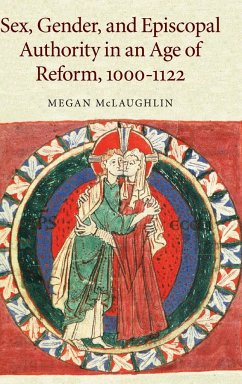

Sex, Gender, and Episcopal Authority in an Age of Reform, 1000 1122
Versandkostenfrei!
Versandfertig in 1-2 Wochen
42,99 €
inkl. MwSt.

PAYBACK Punkte
21 °P sammeln!

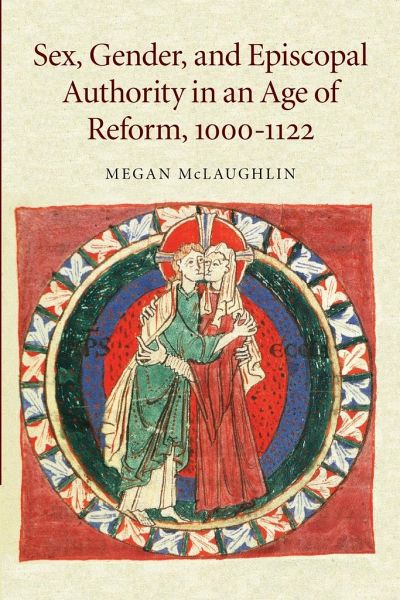
The eleventh and early twelfth centuries were a period of intense debate over ecclesiastical reform in western Europe. This book examines the debates from a new perspective, exploring the ways in which contemporary political writers conveyed messages about 'public' life through textual and sometimes visual images of the 'private' life of the Church. It argues that the images they used - of bishops as husbands of their sees, of the laity as the sons of Mother Church, and of the pope as father of bishops - were shaped not only by intellectual and ritual traditions, but also by contemporary ideas...
The eleventh and early twelfth centuries were a period of intense debate over ecclesiastical reform in western Europe. This book examines the debates from a new perspective, exploring the ways in which contemporary political writers conveyed messages about 'public' life through textual and sometimes visual images of the 'private' life of the Church. It argues that the images they used - of bishops as husbands of their sees, of the laity as the sons of Mother Church, and of the pope as father of bishops - were shaped not only by intellectual and ritual traditions, but also by contemporary ideas about sexuality and gender. Megan McLaughlin reveals that the boundaries between the 'public' and the 'private' were extremely fluid in the central Middle Ages - because of both the realities of political life in that period and the changing nature of life within European households.
Andere Kunden interessierten sich für