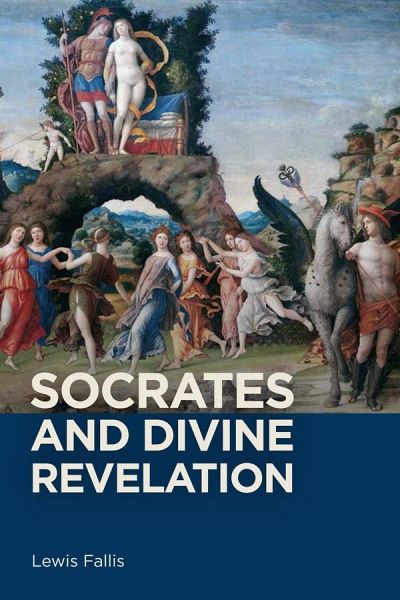
Socrates and Divine Revelation
Versandkostenfrei!
Versandfertig in 1-2 Wochen
98,99 €
inkl. MwSt.

PAYBACK Punkte
49 °P sammeln!

The philosopher Socrates was guided in his investigations by nothing other than his own reason. But did Socrates address adequately the possibility of guidance from a different and higher source -- the possibility of divine revelation? In this book, Lewis Fallis examines Socrates' study of divine revelation. Giving interpretations of two of Plato's dialogues, the Euthyphro and the Ion -- which depict Socrates conversing with believers in revelation -- Fallis argues that in each dialogue Socrates explores the connection between knowledge of justice or nobility, on the one hand, and divine wisdo...
The philosopher Socrates was guided in his investigations by nothing other than his own reason. But did Socrates address adequately the possibility of guidance from a different and higher source -- the possibility of divine revelation? In this book, Lewis Fallis examines Socrates' study of divine revelation. Giving interpretations of two of Plato's dialogues, the Euthyphro and the Ion -- which depict Socrates conversing with believers in revelation -- Fallis argues that in each dialogue Socrates explores the connection between knowledge of justice or nobility, on the one hand, and divine wisdom, on the other. By doing so, Socrates searches for common ground between reason and revelation. Shedding new light on Socratic dialectics, Fallis uncovers the justification for understanding political philosophy to be the necessary starting point for an adequate inquiry into divine revelation. Lewis Fallis is an independent scholar of political theory.
Andere Kunden interessierten sich für