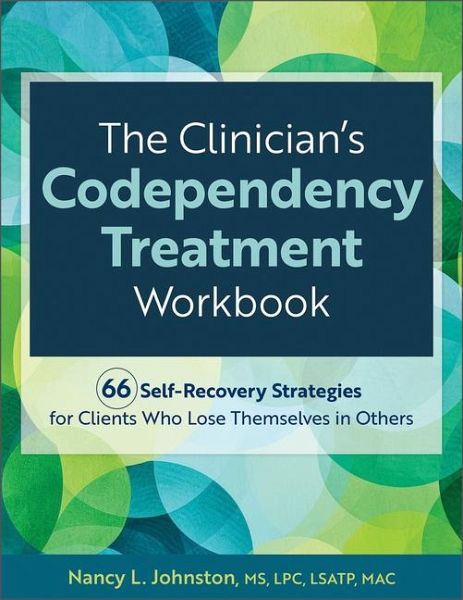
The Clinician's Codependency Treatment Workbook
66 Self-Recovery Strategies for Clients Who Lose Themselves in Others
Versandkostenfrei!
Versandfertig in über 4 Wochen
22,99 €
inkl. MwSt.

PAYBACK Punkte
11 °P sammeln!

Do you see clients who overfunction for others while underfunctioning for themselves? Maybe your client is a chronic people-pleaser who can't seem to say no, a parent who continues to rescue their adult child from the consequences of their addiction, a survivor of abuse who minimizes and numbs their emotional pain, or someone who simply has no idea who they are or what they want because they've spent their entire life anticipating and catering to the needs of others. Although codependency--or loss of self in others--is rooted in addictions work, it is a complex and often overlooked dynamic tha...
Do you see clients who overfunction for others while underfunctioning for themselves? Maybe your client is a chronic people-pleaser who can't seem to say no, a parent who continues to rescue their adult child from the consequences of their addiction, a survivor of abuse who minimizes and numbs their emotional pain, or someone who simply has no idea who they are or what they want because they've spent their entire life anticipating and catering to the needs of others. Although codependency--or loss of self in others--is rooted in addictions work, it is a complex and often overlooked dynamic that underlies many of the issues that bring clients to therapy, including anxiety, depression, trauma, substance use, eating disorders, and more. In The Clinician's Codependency Treatment Workbook, you'll learn how to identify telltale symptoms of this relational dynamic and help clients restore their connection to who they truly are. Filled with strategies, handouts, worksheets, psychoeducation scripts, and case studies, this must-have resource will empower clients to 1. Foster a secure attachment with the self 2. Individuate from enmeshed families of origin 3. Build healthy boundaries, assertiveness skills, and the ability to say "no" 4. Stop basing their happiness and identity on external factors and people 5. Care for themselves in restorative and healing ways 6. Become their own internal emotional safe haven
Andere Kunden interessierten sich für