
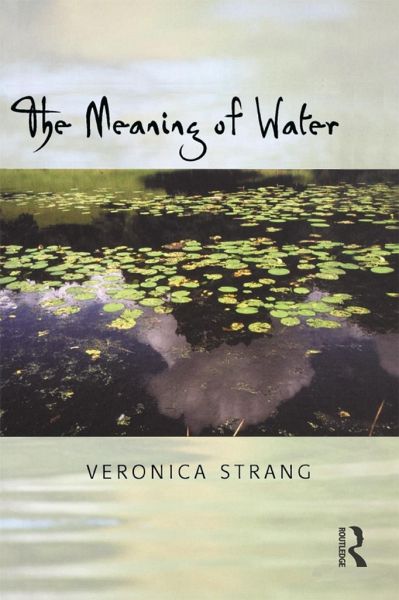
The Meaning of Water
Versandkostenfrei!
Versandfertig in 6-10 Tagen
41,99 €
inkl. MwSt.
Weitere Ausgaben:

PAYBACK Punkte
21 °P sammeln!

Water is the most valuable of our natural resources. It is, however, predicted that an alarming percentage of major cities are going to be running short of it in the next decade. How will this rising demand for water be met? What are the implications of climate change? And what drives a quarter of the population to drink bottled water rather than tap water? This book takes an in-depth look at the myriad meanings of water, from the political and environmental to the societal and spiritual. It explores the controversies surrounding water policy and management, such as the effects of water company privatization. The topical nature of these issues and their global relevance make this book a vital contribution to contemporary research on water and an essential read for anyone with an interest in one of the world's most important and contested resources.
Water is the most valuable resource and the most passionately contested. Drought has become an increasingly extreme problem in many parts of the world, and it is predicted that 60% of the major cities in Europe will run short of water in the next decade. In industrialized countries per capita water usage continues to rise intractably, despite strenuous efforts by environmentalists and resource managers to encourage conservation. Conflicts over water and environmental degradation from the overuse of resources are intensifying. Water is not merely a physical resource: in every cultural context it is densely encoded with social, spiritual, political and environmental meanings, and these have a powerful effect upon patterns of water use and upon the relationships between water users and suppliers. This book makes an in-depth analysis of the meanings of water and considers how they are experienced and formed at an individual and societal level. Focusing on the River Stour in Dorset, Strang draws upon a wide range of data: ethnographic research, cultural mapping, local archives and folklore. She explores the controversies surrounding water ownership and management, and the social and political questions raised by water privatization in the UK. The topical nature of these issues and their global relevance make this book a vital contribution to contemporary research on water and an essential read for anyone with an interest in getting under the surface of one of the worlds most important social and environmental issues.
Andere Kunden interessierten sich für