


















Unser Tipp
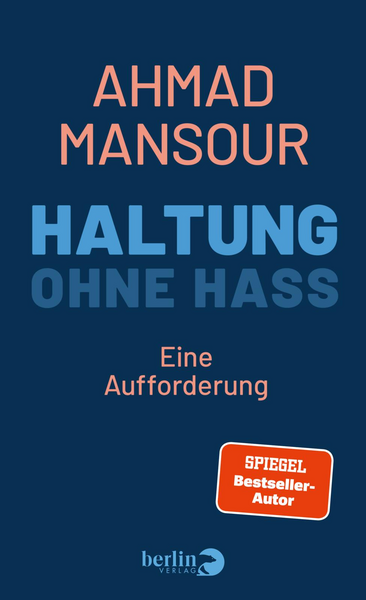
Haltung ohne Hass
Ahmad Mansour
Mit Courage gegen Extremismus aller Couleur
Die Welt scheint aus den Fugen, Krisen folgen auf Krisen. Gewissheiten lösen sich auf, Menschen haben verlernt, miteinander zu reden. Sie werden feindseliger, radikaler – und das nicht nur an den politischen Rändern. Ahmad Mansour erzählt von einer Gesellschaft, der das Zuhören abhandengekommen ist; die sich für demokratisch hält und doch selbst immer misstrauischer und gereizter wird.
Gespräche mit Andersdenkenden
Der renommierte Psychologe und Extremismusexperte erlebt dies als tägliche Realität in Gesprächen mit Jugendlichen, mit Lehrkräften, mit Sicherheitsbehörden. Eindringlich wirbt er dafür, wieder miteinander ins Gespräch zu kommen, auch mit Andersdenkenden – nur so können wir als demokratische Gesellschaft bestehen.
Radikalisierung als tägliche Realität
Ahmad Mansour erlebt Radikalisierung als tägliche Realität. Er sieht, wie sich Menschen in Verschwörungserzählungen verlieren, sich von Populismus verführen lassen, auf virtuelle Desinformation keine Antwort finden. Seine Analyse bleibt nicht abstrakt, sondern handlungsorientiert. Er denkt interdisziplinär, identifiziert Muster und macht gesellschaftliche Widersprüche sichtbar, die anderen oft entgehen.
Erfolgreiche Prävention
Anhand konkreter Beispiele zeigt der Präventionsexperte, was in Schulen, Feeds und Foren und in den Köpfen junger Menschen geschieht. Er erzählt aber auch davon, wo Prävention bereits erfolgreich funktioniert, gibt Einblicke in seine Arbeit und erklärt, was jetzt getan werden muss.
Buch (Gebundene Ausgabe)
22,00 €