
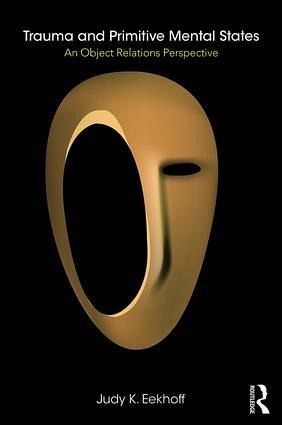
Trauma and Primitive Mental States
An Object Relations Perspective
Versandkostenfrei!
Versandfertig in 6-10 Tagen
39,99 €
inkl. MwSt.
Weitere Ausgaben:

PAYBACK Punkte
20 °P sammeln!

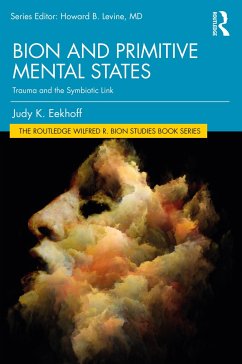
Trauma and Primitive Mental States: An Object Relations Perspective offers a clinically based framework through which adult survivors of early childhood trauma can re-engage with painful past events to create meaningful futures for themselves.The book highlights the use of the body and the mind in working with these early unmentalized and unrepresented states, illustrating the value of finding language that embodies emotions, and working in the here and now of transference and counter-transference. Including a range of examples of how early trauma can thus be re-presented and clinically unders...
Trauma and Primitive Mental States: An Object Relations Perspective offers a clinically based framework through which adult survivors of early childhood trauma can re-engage with painful past events to create meaningful futures for themselves.
The book highlights the use of the body and the mind in working with these early unmentalized and unrepresented states, illustrating the value of finding language that embodies emotions, and working in the here and now of transference and counter-transference. Including a range of examples of how early trauma can thus be re-presented and clinically understood, the book illustrates how patients can discover themselves and leave their repetitive patterns of suffering behind.
Written by a clinician with over 30 years' experience, this will be fascinating reading for psychoanalysts and psychotherapists as well as any mental health professional working with childhood trauma.
The book highlights the use of the body and the mind in working with these early unmentalized and unrepresented states, illustrating the value of finding language that embodies emotions, and working in the here and now of transference and counter-transference. Including a range of examples of how early trauma can thus be re-presented and clinically understood, the book illustrates how patients can discover themselves and leave their repetitive patterns of suffering behind.
Written by a clinician with over 30 years' experience, this will be fascinating reading for psychoanalysts and psychotherapists as well as any mental health professional working with childhood trauma.
Andere Kunden interessierten sich für