Animist Poetics (eBook, ePUB)
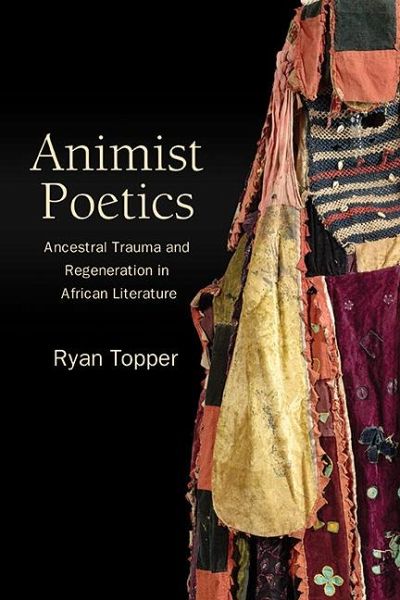
Ancestral Trauma and Regeneration in African Literature

PAYBACK Punkte
13 °P sammeln!

Argues that African literature conceptualizes trauma and regeneration as a more-than-human process, offering an animist revision of psychoanalysis.Psychoanalytic trauma theory largely disregards African perspectives. Postcolonial criticism often filters these perspectives through a secular humanist lens. Examining how African literature uses animism to address the traumas of colonization, Animist Poetics offers a new understanding of the postcolonial condition. From an animist viewpoint, the self is not an individual but rather a regenerative process linking the living, the dead, and their eco...
Argues that African literature conceptualizes trauma and regeneration as a more-than-human process, offering an animist revision of psychoanalysis.
Psychoanalytic trauma theory largely disregards African perspectives. Postcolonial criticism often filters these perspectives through a secular humanist lens. Examining how African literature uses animism to address the traumas of colonization, Animist Poetics offers a new understanding of the postcolonial condition. From an animist viewpoint, the self is not an individual but rather a regenerative process linking the living, the dead, and their ecosystems. Looking at poetry, fiction, drama, and visual art-including archival manuscripts by Wole Soyinka and Yvonne Vera-Ryan Topper argues that African literature reinvents these Indigenous ecologies in uniquely modern ways. Animist Poetics takes Indigenous-and literary-knowledge seriously, rethinking the foundations of psychoanalysis and charting new theoretical paths in posthumanism, the environmental humanities, new materialism, biopolitics, and memory studies.
Psychoanalytic trauma theory largely disregards African perspectives. Postcolonial criticism often filters these perspectives through a secular humanist lens. Examining how African literature uses animism to address the traumas of colonization, Animist Poetics offers a new understanding of the postcolonial condition. From an animist viewpoint, the self is not an individual but rather a regenerative process linking the living, the dead, and their ecosystems. Looking at poetry, fiction, drama, and visual art-including archival manuscripts by Wole Soyinka and Yvonne Vera-Ryan Topper argues that African literature reinvents these Indigenous ecologies in uniquely modern ways. Animist Poetics takes Indigenous-and literary-knowledge seriously, rethinking the foundations of psychoanalysis and charting new theoretical paths in posthumanism, the environmental humanities, new materialism, biopolitics, and memory studies.
Dieser Download kann aus rechtlichen Gründen nur mit Rechnungsadresse in A, D ausgeliefert werden.
Andere Kunden interessierten sich für