like best about the book: It's a scientist clearly explaining what he does for a living and why it is important, at a level that any literate person can understand. Not an easy accomplishment.' - scienceblogs.com/pharyngula
'Absorbing -will appeal to a wide audience, particularly those who got a kick out of Blink or Freakonomics.' - Publishers Weekly
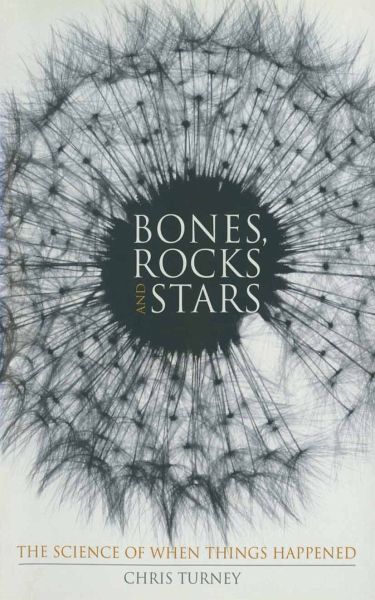
'If you like detective stories, you'll love this book. With a passion that radiates from every page, geologist Chris Turney, who did the radiocarbon dating on the 'hobbit' human fossil recently discovered in Indonesia, reveals how scientific dating techniques have helped solve the biggest mysteries of all time. What really happened to the dinosaurs? How old is the universe? Why did giant kangaroos die out? When did early Homo sapiens sweep aside the Neanderthals in the Middle East? What caused the ice ages? Turney explains how trees, amino acids, carbon, luminescence, volcanic ash, stars and even pollen can all give objects or events an exact place in history. The book is easy to understand and it should satisfy the hungriest of infovores.' - New Scientist
'5/5: a book that tackles [these] issues is welcome indeed - that it succeeds so brilliantlyis awonderful surprise.' - Peter Andrews of the Natural History Museum, BBC Focus Magazine
'Well researched and covers a lot of ground in a splendidly personal style. Highly recommended' - Quaternary Australasia
'A fascinating guide to the measurement of time' - Chemistry World
'The value of Chris Turney's Bones, Rocks and Stars: The Science of When Things Happened is that it provides a concise, simple, readable introduction to the full range of dating techniques...Altogether a very useful little book.' - Current World Archaeology