
The last Baobab of Bokai (eBook, ePUB)

PAYBACK Punkte
0 °P sammeln!

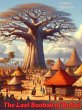
The story revolves around the Bokai Village, where the people greatly esteem the Great Baobab tree as the village's heart. With greed in his heart, King Tana goes against the village elders' advice when he opts to sell the tree for money. Cutting down the tree causes chaos in nature-like floods, droughts, and losing other kinds of plants and animals. This teaches the villagers a bitter lesson about how humans and nature rely on each other. They only start fixing their land when they work together to make things better, understanding that real wealth is in what nature gives, not silver and gold...
The story revolves around the Bokai Village, where the people greatly esteem the Great Baobab tree as the village's heart. With greed in his heart, King Tana goes against the village elders' advice when he opts to sell the tree for money. Cutting down the tree causes chaos in nature-like floods, droughts, and losing other kinds of plants and animals. This teaches the villagers a bitter lesson about how humans and nature rely on each other. They only start fixing their land when they work together to make things better, understanding that real wealth is in what nature gives, not silver and gold.
This story demonstrates an important element of African moral narrative: narrating tales to teach people values that can shape the lives of individuals within society. Folk tales in Africa typically focus on respecting nature, helping each other, and trying to balance between individuals' interests and conserving the world. They not only entertain but also teach younger generations about the effects of their behaviors and why decision-making that supports the whole society is necessary.
African cultures use narratives to pass on wisdom, making moral instruction a vital part of their culture. The Last Baobab of Bokai reminds us that the upholding of traditional values guarantees peace and a better tomorrow, promoting the age-old principle that "the land does not belong to us; we borrow it from our children."
This story demonstrates an important element of African moral narrative: narrating tales to teach people values that can shape the lives of individuals within society. Folk tales in Africa typically focus on respecting nature, helping each other, and trying to balance between individuals' interests and conserving the world. They not only entertain but also teach younger generations about the effects of their behaviors and why decision-making that supports the whole society is necessary.
African cultures use narratives to pass on wisdom, making moral instruction a vital part of their culture. The Last Baobab of Bokai reminds us that the upholding of traditional values guarantees peace and a better tomorrow, promoting the age-old principle that "the land does not belong to us; we borrow it from our children."
Dieser Download kann aus rechtlichen Gründen nur mit Rechnungsadresse in A, B, CY, CZ, D, DK, EW, E, FIN, F, GR, H, IRL, I, LT, L, LR, M, NL, PL, P, R, S, SLO, SK ausgeliefert werden.
Andere Kunden interessierten sich für