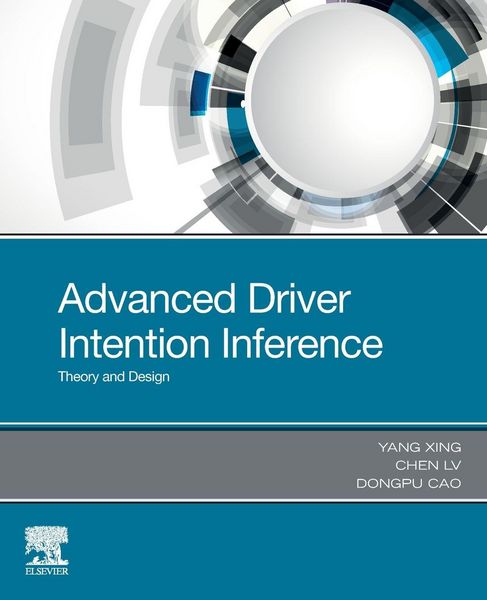

Advanced Driver Intention Inference Theory and Design
-
- Taschenbuch ausgewählt
- eBook
-
Sprache:Englisch
126,99 €
inkl. gesetzl. MwSt.,
Beschreibung
Produktdetails
Einband
Taschenbuch
Erscheinungsdatum
01.05.2020
Verlag
Elsevier Science & TechnologySeitenzahl
258
Maße (L/B/H)
23,5/19,1/1,4 cm
Gewicht
451 g
Sprache
Englisch
ISBN
978-0-12-819113-2
Advanced Driver Intention Inference: Theory and Design describes one of the most important function for future ADAS, namely, the driver intention inference. The book contains the state-of-art knowledge on the construction of driver intention inference system, providing a better understanding on how the human driver intention mechanism will contribute to a more naturalistic on-board decision system for automated vehicles.
Noch keine Bewertungen vorhanden
Verfassen Sie die erste Bewertung zu diesem Artikel
Helfen Sie anderen Kundinnen und Kunden durch Ihre Meinung.
Kurze Frage zu unserer Seite
Vielen Dank für dein Feedback
Wir nutzen dein Feedback, um unsere Produktseiten zu verbessern. Bitte habe Verständnis, dass wir dir keine Rückmeldung geben können. Falls du Kontakt mit uns aufnehmen möchtest, kannst du dich aber gerne an unseren Kund*innenservice wenden.
zum Kundenservice