Gutscheinbedingungen

**Gültig vom 24.08.2026 bis 26.08.2026 | Gültig für nicht preisgebundene fremdsprachige Bücher | Einzelne Artikel können ausgeschlossen sein | Online auf www.bücher.de einlösbar | Click & Collect nur mit Online-Zahlung (Paypal/Kreditkarte) vorab | Nicht kombinierbar mit anderen Gutscheinen oder Preisaktionen | Nur einmal pro Einkauf einlösbar | Gutschein wird auf max. 500€ Bestellwert angerechnet | Keine Barauszahlung | Nicht gültig für Versandkosten und Services

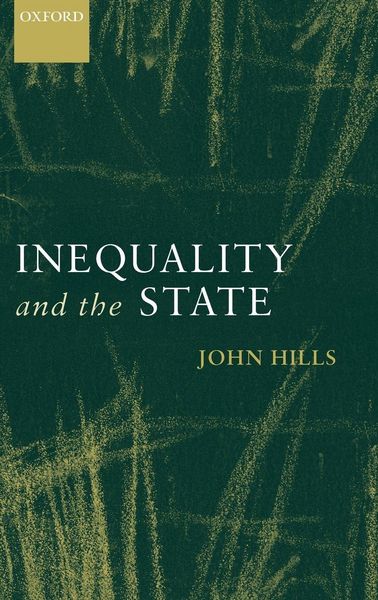
Produktbild: Inequality and the State

Inequality and the State

105,99 €

inkl. gesetzl. MwSt., Versandkostenfrei


Beschreibung

Produktdetails

Einband

Gebundene Ausgabe

Erscheinungsdatum

28.10.2004

Abbildungen

numerous tables and figures

Verlag

Oxford University Press

Seitenzahl

314

Maße (L/B/H)

24/16,1/2,1 cm

Gewicht

637 g

Sprache

Englisch

ISBN

978-0-19-927663-9

Beschreibung

Produktdetails

Einband

Gebundene Ausgabe

Erscheinungsdatum

28.10.2004

Abbildungen

numerous tables and figures

Verlag

Oxford University Press

Seitenzahl

314

Maße (L/B/H)

24/16,1/2,1 cm

Gewicht

637 g

Sprache

Englisch

ISBN

978-0-19-927663-9

Herstelleradresse

Libri GmbH
Europaallee 1
36244 Bad Hersfeld
DE

Email: GPSR Kontakt

Noch keine Bewertungen vorhanden

Verfassen Sie die erste Bewertung zu diesem Artikel

Helfen Sie anderen Kundinnen und Kunden durch Ihre Meinung.

Kundinnen und Kunden meinen

Bewertungen (0)

  • Produktbild: Inequality and the State
    • 1: Introduction

    • Part 1: Income inequality and poverty in Britain

    • 2: Income inequality in the UK: extent and trends

    • 3: Poverty, deprivation, and exclusion

    • 4: Why has the income distribution changed?

    • 5: Income dynamics and social mobility

    • Part 2: The impact of policy

    • 6: Social spending and the boundaries between public and private sectors

    • 7: Tax and welfare

    • 8: Distribution and redistribution

    • Part 3: Where do we go from here?

    • 9: New Labour, welfare, and distribution

    • 10: Constraints and pressures

    • 11: Conclusions: The spending pit or the tax pendulum?